OPENING A SHOP & FRANCHISING
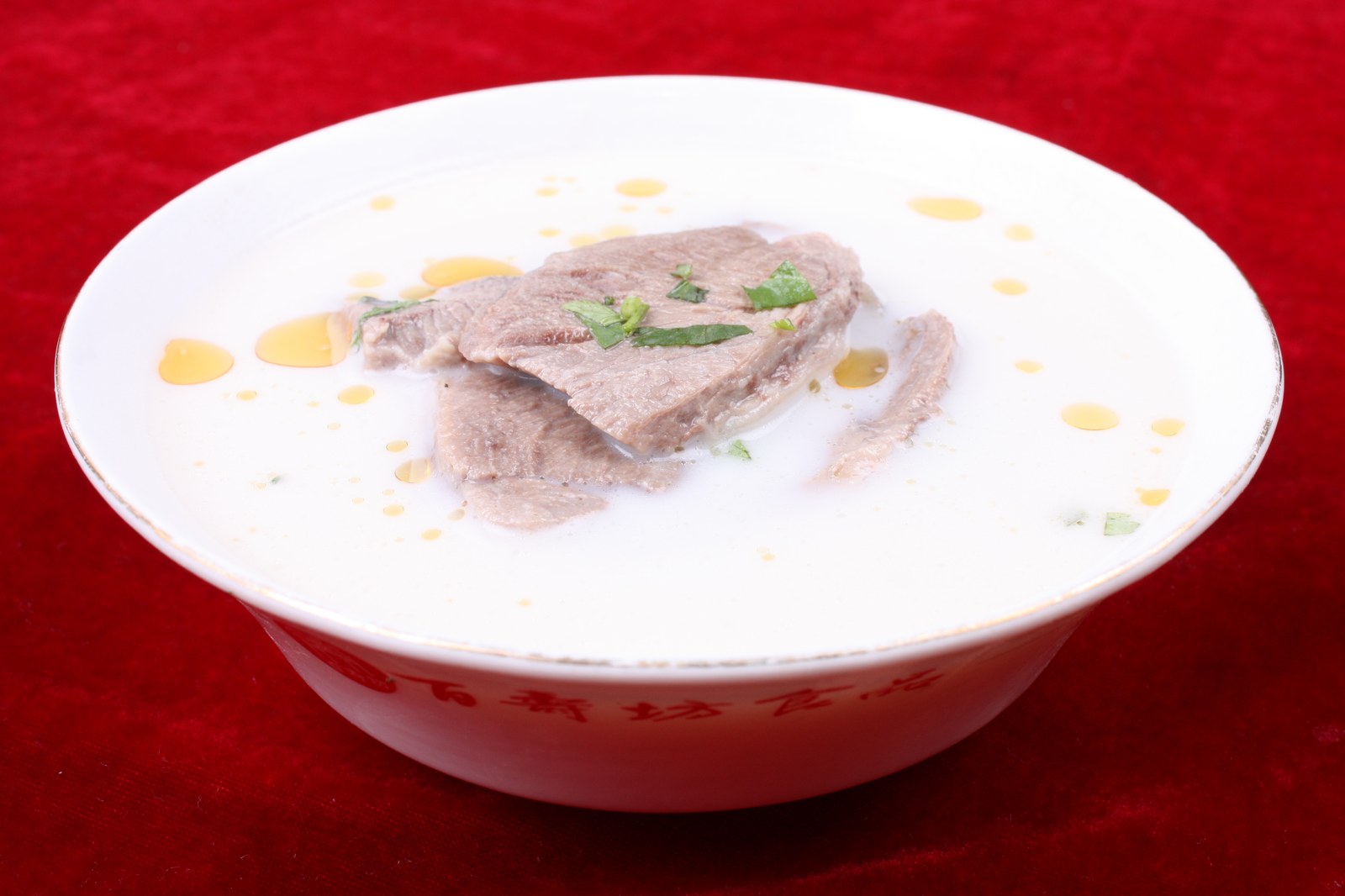
Opening a Mutton Soup Shop
The barrier to entry looks low. The work is not.
This page recommends no brand. It sets out what to look at, and what to verify.
The barrier to entry looks low. The work is not.
This page recommends no brand. It sets out what to look at, and what to verify.
Location, supply chain, craft. Whichever one is left unresolved comes back at double cost later.
| Line | What to assess | How to assess it |
|---|---|---|
| Location and clientele | Who passes this street, and when? Soup consumption concentrates at breakfast and lunch; the evening trade is usually thinner | Count footfall by time of day; count competing shops in the same category and how often tables turn |
| Supply chain and raw materials | Where do the sheep come from, and can the supply be kept steady? Nine times out of ten, inconsistency in the bowl starts with the raw material | Visit the supplier's breeding and slaughtering operations; confirm long-term supply capacity and how prices move with the season |
| Craft and standards | Can the colour and flavour be held steady — by a master's feel, or by an executable procedure? | Ask whether written product standards and operating procedures exist; run consistency checks during the trial period |
Breed, age and cut determine the gaminess and aroma of the broth. Once the raw material is unstable, even a skilled cook can only mask it with heavier spices — which is a different flavour profile altogether.
A recipe can be taught; a feel cannot. Writing selection, heat control and finishing into a procedure is what allows another person to produce the same bowl — and the precondition for replicating a shop.
Neither route is inherently better. The difference is what you are buying with your money.
| Dimension | Franchising | Independent |
|---|---|---|
| Brand and customers | Borrows existing brand recognition; early footfall is usually steadier | Building reputation from zero; customer acquisition is slower at first |
| Materials and recipes | Usually supplied centrally; consistent, but with less freedom | Free to source and compare; but you own the problem of quality variation |
| Training and operations | Existing manuals and a supervisory system | Self-taught; trial-and-error costs fall on you |
| Fee structure | Higher upfront fees, plus ongoing fees | No franchise fees, but upfront investment and error costs are yours |
| Autonomy | Constrained by contract (menu, pricing, procurement) | Fully autonomous — and fully exposed |
No amounts are given here — they vary enormously by city and brand. What follows are thecomponents. Take them to any quote you receive and check item by item.
| Item | What it generally is | What to ask |
|---|---|---|
| Franchise / brand-use fee | A one-off grant of the right to use the brand and system | How long is the term? Is it charged again on renewal? |
| Deposit | Security for performance; normally refundable on proper termination | On what conditions, and when, is it returned? When is it forfeited? |
| Equipment, fit-out, utensils | Supplied or nominated by the franchisor | May I source my own? Is the quoted price above market? |
| First batch of materials | Opening stock | Am I obliged to buy from the franchisor long term? How are prices adjusted? |
| Ongoing fees | Management fees, royalties, margin on supplies | Percentage of turnover or fixed? How is it calculated? |
| Training and travel | Technical training, on-site coaching | Charged separately? How many sessions, for how many people? |
These are verifiable compliance points, drawn from the Regulation on the Administration of Commercial Franchising (State Council Order No. 485).
| Check | Why | How |
|---|---|---|
| "Two stores, one year" | The Regulation provides that a franchisor engaging in franchising must own at least two directly operated outlets and have been operating for more than one year | Ask for the addresses of those outlets and when operation began; visit them if necessary |
| Franchise filing | A franchisor must file with the competent commerce authority within 15 days of first concluding a franchise contract; cross-province operations file with the State Council's commerce authority | Check the filing in the Ministry of Commerce's commercial franchising information system |
| Trademark ownership | The party licensing the brand must actually hold the right to license it | Ask for the trademark registration certificate or authorisation, and verify the registrant, class and validity in the official trademark system |
| Termination and refunds | Most disputes arise here | Read word by word: termination conditions, any cooling-off period, and how remaining fees and stock are handled |
Stating the boundary plainly is more useful than sounding accommodating.
Draws up and promotes group standards; manages collective marks; provides technical services for product traceability; offers information matching and referrals between operators who ask and member enterprises; and compiles industry knowledge and regulatory points for public reference.
It does not engage in franchising or franchise recruitment, does not charge franchise fees, deposits or any franchise-related fee, does not guarantee or promise the returns of any brand, and does not carry out product certification.
The questions people ask most before opening a mutton soup shop.
| Question | Answer |
|---|---|
| What is the "two stores, one year" rule in franchising? | Under Article 7 of the Regulation on the Administration of Commercial Franchising, a franchisor must own at least two directly operated outlets and have been operating for more than one year. It is a basic threshold for judging whether a system has proven operating capability. |
| Do I have to check the franchise filing? | Yes, it is strongly advisable. Article 8 requires filing with the competent commerce authority within 15 days of concluding the first franchise contract, and provides for public disclosure of that information. If there is no filing, be especially careful before signing. |
| Can the association recommend a franchise brand? | No. The association does not recommend or endorse any franchise brand and does not engage in franchise recruitment. It can provide information matching and referrals within its member enterprises, but does not guarantee the outcome. |
| What cost is most often underestimated when opening a soup shop? | Usually not the upfront investment, but ongoing costs in materials and labour — and the loss of repeat custom when flavour is inconsistent. Weigh those two first when running the numbers. |
| How can I tell whether a system's flavour can be replicated? | Look for written product standards and operating procedures. If the flavour depends entirely on one cook's feel, quality will be hard to hold as outlets multiply. |